

Devon Business Directory
Supporting UK Businesses – Not for Profit, Just Progress.
Devon Business Listing


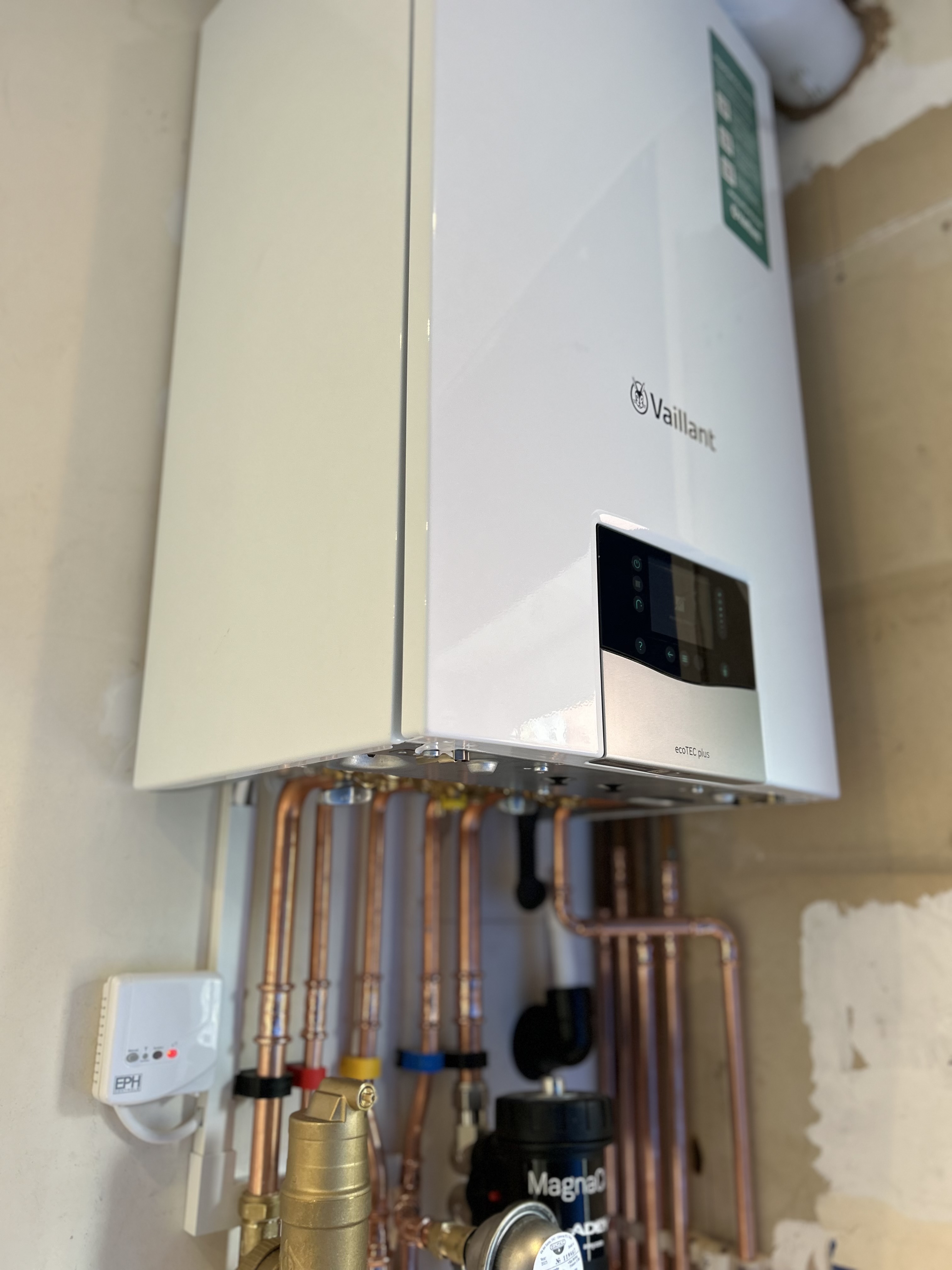





Make it easier to be found in Devon when people are ready to buy
In Devon, people often search with a place name attached, especially when they are choosing between businesses on a high street, in a business park, or along rural routes. A clear listing in our directory helps customers compare what you do, where you work, and how to contact you, whether they are in a market town, a commuter area, or a coastal community. Your Google Business Profile is often the first thing customers see on Maps. Keeping your details consistent across your listing, your Google Business Profile, and any social profiles reduces missed calls and wrong-way journeys.
For service firms, the key is to state the service area or areas you cover in Devon without overpromising, so enquiries match your capacity and travel plans. Reviews matter because they show how you work in real situations, including punctuality, communication, and aftercare, which is useful for customers comparing similar quotes. Use your listing to set expectations about call-out radius, booking lead times, and the type of jobs you take on, especially if you cover both town centres and remote addresses. When Devon businesses describe their service area clearly, they typically spend less time filtering unsuitable leads.
Set up your Devon premises properly, from permissions to practicalities
If you run from a shop, unit, studio, or office in Devon, small admin details can affect day-to-day trading, from signage to opening hours and waste collections. The Planning Portal explains when you may need permission for changes to your premises. If your landlord is involved, check lease terms or landlord consent before ordering signs, installing extraction, or changing how a space is used, because responsibilities can be split between tenant and owner.
Costs can also depend on how your premises is recorded for business rates, and it is worth confirming your position early. The Valuation Office Agency maintains the business rates rating list. For Devon businesses moving into mixed-use spaces, industrial estates, or converted buildings, it can help to keep written notes of what you occupy and when you moved in, then cross-check with the local council for the area your premises is in if anything looks off. If you take bookings from visitors in Devon, make sure your listing and Reviews match the experience you deliver, as seasonal demand can amplify both praise and complaints.
Build trust and stay compliant while you grow across Devon
Growth in Devon often means balancing local demand with wider reach, especially if you cover multiple towns, visitor hotspots, or local events where footfall rises and falls. Waste duty of care applies to businesses that produce, carry, keep, dispose of, or manage controlled waste. If you use contractors, keep records of collections and check what the local council for the area your premises is in expects for trade waste, recycling, and storage, as rules and collection options can vary by site.
Some activities also need permissions before you trade, and it pays to ask early rather than fix issues later. The Licensing team at the local council for the area your premises is in can confirm whether you need a licence for your activity. GOV.UK is the place to start for national rules on employing staff. In your Devon listing, use plain language about pricing, booking, and your service area or areas you cover, then invite Reviews after each job so prospective customers can judge reliability as well as results.
Do I need a licence to operate my type of business in Devon?
It depends on the activity, but many businesses can trade without a specific licence while others need one before opening. Start by checking GOV.UK for the national framework and then contact the Licensing team at the local council for the area your premises is in for local requirements. If you rent your premises, confirm any restrictions in your lease terms or landlord consent as well.
What is the best in Devon way to check if I need planning permission for signage?
The most reliable route is to check the Planning Portal and then confirm details with the planning department at the local council for the area your premises is in. Signage rules can vary by size, lighting, and location, especially on high streets or in conservation areas. If the building is leased, also verify what your lease terms or landlord consent allow before you order anything.
How are business rates worked out for a Devon premises?
Business rates are generally based on a property’s rateable value and the rules set by the billing authority. Check the Valuation Office Agency entry for your premises and then speak to the local council for the area your premises is in about the bill, payment options, and any local policies. If anything looks wrong, ask what evidence they need to review it.
Am I likely to qualify for business rates relief?
You may qualify, but eligibility depends on factors like your property, your circumstances, and current relief schemes. Confirm the basics on GOV.UK and then apply through the local council for the area your premises is in, as they administer most reliefs. Keep copies of your lease terms or landlord consent and occupancy dates in case you are asked for proof.
Where can I look for grants and business support in Devon?
Start with the local council for the area your premises is in and their economic development or business support pages, then cross-check any national schemes on GOV.UK. Support often depends on sector, location, and timing, so read eligibility notes carefully. If you are unsure, ask the council what evidence you need before you spend time on an application.
What do I need to do before hiring my first employee?
You need to follow the legal steps for employing staff, including pay, right to work checks, and workplace policies. GOV.UK sets out the required registrations and guidance, and your insurer can advise on employers’ liability cover. If your role or premises has special requirements, confirm with the local council for the area your premises is in where relevant.
Which types of insurance are sensible for small businesses?
Most businesses benefit from public liability insurance, and some will need employers’ liability insurance if they hire staff. The right cover depends on your work, contracts, and risk, so check with an insurance broker and compare policy wording carefully. If your activity is regulated, the local council for the area your premises is in or GOV.UK may indicate minimum requirements.
How should I price and quote so customers trust the numbers?
Clear, written quotes that state what is included and what is excluded help customers compare fairly. Break down labour, materials, call-out charges, and any assumptions, and explain how changes are handled. If your work is affected by permissions or site rules, note that outcomes can depend on the Planning Portal guidance and the local council for the area your premises is in.
What is the quickest way to improve my Google Business Profile?
Complete every core field, keep hours accurate, and add photos that match what customers will see on arrival. Make sure your service area or areas you cover is correct, and align the same phone number and business name across your website and directory listing. If you operate from a regulated premises, confirm any display rules with the local council for the area your premises is in.
How do I handle negative reviews without making things worse?
Respond calmly, address the specific issue, and offer a practical next step such as a call or follow-up visit. Keep replies factual and avoid sharing personal data, then learn from patterns in Reviews to tighten your processes. If the complaint relates to licensing, waste, or premises rules, check with the Licensing team or the local council for the area your premises is in where appropriate.
What should my monthly budget be for paid ads?
There is no single correct figure, but you should set a budget you can sustain while you test what brings profitable enquiries. Start small, track calls and form leads, and focus ads on your service area or areas you cover rather than trying to reach all of Devon at once. For any advertising rules tied to regulated services, verify guidance on GOV.UK or with the local council for the area your premises is in.
What should I check in a lease before taking a unit?
You should confirm what you are allowed to do in the space, who pays for repairs, and whether you can fit out and brand the premises. Ask for clarity on lease terms or landlord consent for signage, alterations, opening hours, and waste storage. If your intended use might be classed differently, check the Planning Portal and the local council for the area your premises is in.
What are my responsibilities for trade waste and recycling?
You must store and dispose of business waste properly and keep appropriate paperwork. Waste duty of care means you should use authorised carriers and keep records that show what was collected and where it went. Collection options and rules can vary, so confirm practical arrangements with the local council for the area your premises is in.
How can customers find a service near me without me wasting time on the wrong leads?
You can reduce unsuitable enquiries by stating your exact service area or areas you cover and the types of jobs you do and do not take. Keep the same information consistent on your website, directory listing, and Google Business Profile, and use Reviews to reinforce what you are known for. If travel or parking constraints affect service in parts of Devon, explain that clearly and ask customers to share their postcode upfront.
