
 You R Yogawww.you-r-yoga.co.uk › yoga › nidra
Taught live online by Susan. Join from anywhere in the UK. Courses run all year - join anytime. Suitable for complete beginners.
07903 121668Featured this week.




Latest articles.

FCA Targeted Support: What It Means for Financial Advisers
The FCA's new targeted support regime went live in April 2026, letting advice firms help clients with pensions and investments without a full suitability review — here's what it actually changes for firms deciding whether to offer it.

Future Homes Standard: Why Window Calculations Just Changed
New rules for calculating window performance in new-build homes are landing in 2027, and the Glass and Glazing Federation says the trade needs to get ahead of them now, not wait.
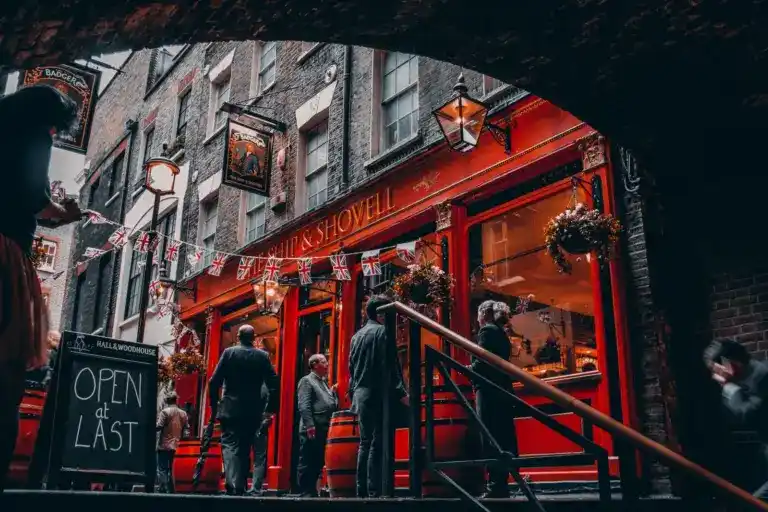
The UK’s New Tipping Code: What Restaurant Owners Should Do Now
A revised statutory code on tipping is heading towards UK restaurants and cafes, adding staff consultation and a three-year review cycle to the rules that already require every tip to reach staff in full.

Aberdeen’s Top-Rated Florists: What Sets Them Apart
What actually separates Aberdeen's best-reviewed florists from the rest — freshness, personalisation, reliable delivery, and what to ask before you book.

Garage Costs in Royston: What You’ll Actually Pay
What MOTs, servicing and common repairs actually cost at a Royston garage, and the questions that explain why two quotes for the same job can look so different.
Quick updates.
Shorter updates from our team — just the facts, no photo needed.
Betting Shop Tax Hike: Why the High Street Bookies Are Closing
A doubled Remote Gaming Duty has pushed major operators to shut hundreds of shops in 2026. Here's what's driving the closures, and what it means if your local bookies is one of them.
Why Growing Businesses Struggle to Find Dependable Admin Support
Growing UK businesses often outpace the admin capacity they have in place. Inboxes fill faster than founders can clear them, diaries become harder to coordinate, and routine follow-ups start taking time away from client work, sales and planning.
The “Aim to Permit” Repeal: What It Means for Betting Shops
The government plans to scrap the Gambling Act’s aim to permit rule, giving councils more power to refuse new betting shop and AGC licences — here is what it does and does not change for operators.
How to Choose a Taxi or Minicab Service in Birmingham
What to check before booking a taxi or minicab in Birmingham, from licensing and fixed fares to what to ask before an airport transfer.
Real advice from real trades — written by you.
We commission paid articles for our News & guides from businesses that actually do the work. Credited to you, read by people already searching your trade and town.
Written by our team — never syndicated.
Helps customers choose a trusted local tradesperson across the South West, from first enquiry to final invoice. Their guides →
What to ask before you hire a trade — buying guides focused on home services and getting a fair price. Their guides →
Guides and spotlights across Glasgow, Edinburgh and beyond, with an eye for the independents worth a special trip. Their guides →
Local guides across London and the South East, from busy high streets to first-time buyers finding their feet. Their guides →
Founder of The Business Listing — building the free directory UK small businesses actually want to be found on. Their guides →
Covers independents and openings across Greater Manchester and the wider North West — checks every listing in a guide before it's published. Their guides →
Practical guidance for owners — reviews, local SEO and getting more from a free listing. Their guides →
Local guides and spotlights across Leeds, Sheffield and the wider North, after ten years in regional press. Their guides →
Find local reads near you.
Local business news & guides
The Business Listing isn't just a directory — it's a growing library of local guides, town spotlights and practical advice to help you find the right business and get more from your own. Our writers cover what's happening on UK high streets, spotlight the independents worth knowing, and answer the questions people actually ask before they hire.
Looking for a trusted trader? Our buying guides walk you through choosing the right business — what to ask, what to pay, and the red flags to avoid. Run a business? Our tips cover reviews, local SEO and getting found by nearby customers.
Local content, local relevance
Every guide links back to real listings in the towns and categories it covers, so you can go from reading to booking in a couple of clicks.