Engineering Companies in the UK
A one-off part machined from a drawing by Friday, a batch of a thousand turned components to a tolerance, a broken shaft repaired over the weekend so the line runs Monday, a machine designed and built for a job nobody sells a machine for, a maintenance contract for the plant, or a chartered engineer to sign off the design: find the engineering companies near you.

 Corsto Web Designwww.corsto.co.uk › web › design
Local web designers helping businesses get found online. Friendly local support with a free consultation and fast turnaround
020 3355 4830Engineering Companies by city
Pick a city to see local engineering companies ranked by rating — each links to that town's dedicated page.
Browse all 22 cities with a engineering company
Highly rated UK engineering companies


Get your business found — free.
Join 20 engineering companies already picking up local work through The Business Listing.
Other services people search for near engineering companies
Guides & advice for engineering companies
Choosing an Aluminium Finishing Company: What to Check Before Committing
A practical guide to choosing the right aluminium finishing company, covering industry standards, coating specifications, colour consistency and what to ask before placing an order.
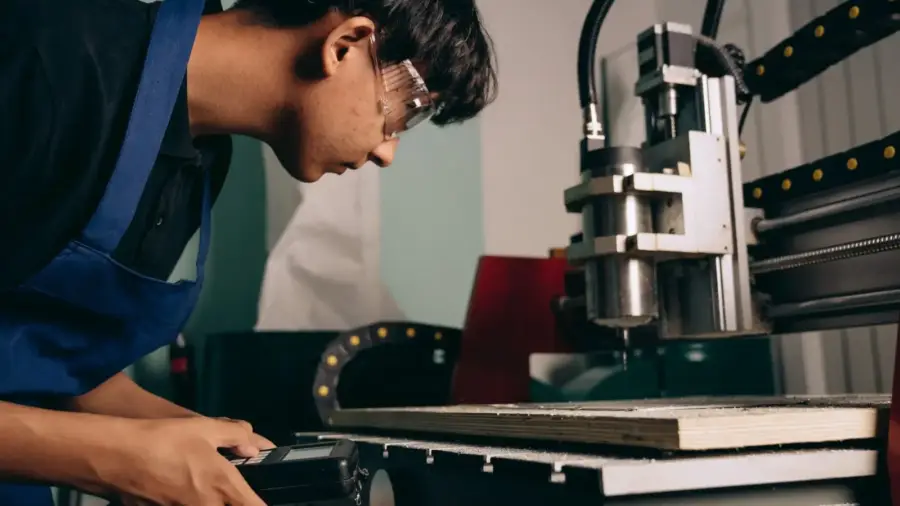
UK Engineering Firms: What the New Apprentice Grants Mean
From 1 October 2026, small and medium engineering employers can claim up to £2,000 for hiring a young apprentice, on top of fully funded training for under-25s. Here's what the changes actually mean for a workshop or firm taking someone on.

Folkestone Firm Secures US Flood Defence Contract with UK Export Finance Deal
Folkestone engineering firm Dyrhoff has won a US flood defence contract worth $475,000, backed by UK Export Finance and NatWest, and its careers page now shows the promised hiring is under way.
Finding a good engineering company in the UK
Engineering companies make, repair and design the things industry runs on: precision engineers machining parts on CNC lathes and mills from drawings and CAD files, in one-offs and production batches; general engineers and jobbing shops doing turning, milling, grinding, welding and fabrication for local industry, farms, garages and the public; design and build firms creating special-purpose machines, jigs, fixtures, conveyors and automation; maintenance engineers keeping plant running with planned maintenance, breakdown response and repairs; and engineering consultancies providing design, analysis, testing and project management across mechanical, electrical, process and manufacturing engineering. Many towns have a cluster of them on the industrial estate, from a two-man workshop to a firm with a hundred machines.
Choosing one comes down to capability, quality and lead time: the right machines and materials for the part, tolerances you can trust, and the quality system behind them, which for anything beyond a jobbing repair means ISO 9001 and, for aerospace, automotive and medical work, AS9100, IATF 16949 or ISO 13485; a clear drawing or model, the material, the quantity, the finish and the date get an accurate quote, and a good firm will suggest a cheaper way to make it. Look for a firm used to your kind of work, ask to see the shop, and check that inspection reports and material certificates come with the parts where you need them.
The listings here show each company's capabilities and machines, materials, quality accreditations, sectors served, lead times, design and maintenance services, and contact details, so you can see who is nearby, who can make what you need, and where manufacturers and trades in your town go for engineering that fits.
What engineering companies do
Precision machining: CNC turning and milling, grinding, EDM, multi-axis work in steel, stainless, aluminium, brass, titanium and plastics, from single prototypes to production batches, with inspection reports and material certificates.
Fabrication and welding: sheet metal, structural and pipework fabrication, coded welding, repairs and modifications to plant, vehicles and equipment, and mobile welding on site.
Design and build: special-purpose machinery, jigs, fixtures, tooling, conveyors, test rigs and automation designed in CAD and built, installed and commissioned.
Maintenance and repair: planned maintenance contracts, breakdown response, shaft and gearbox repairs, pump and motor overhauls, hydraulics and pneumatics, and spares reverse-engineered from worn parts.
Consultancy: mechanical, electrical, process and manufacturing engineering design, FEA and analysis, testing, compliance and CE/UKCA marking, project management and chartered engineer sign-off.
Before you place engineering work
- Send a drawing or CAD model with tolerances, material, finish, quantity and the date you need it; a photo and a sketch will do for a repair.
- Ask for the quality accreditation your sector needs and whether inspection reports and material certs are included.
- Ask the lead time and whether a rush is possible; small shops are often quickest on one-offs.
- For a batch, ask for a price break at higher quantities and whether they will hold stock.
- For design work, agree the scope, deliverables, ownership of the drawings and the stages of payment.
- Visit the workshop; the state of the machines and the floor tells you most of what you need.
What engineering work costs in the UK
As a rough guide, machine shop time is charged at £45 to £90 an hour for manual and CNC work, more for five-axis and specialist processes, with a set-up charge of £50 to £200 per job; a simple one-off turned or milled part costs £60 to £300 and a complex one several hundred, with batch prices falling to a few pounds a part at volume; welding and fabrication £40 to £70 an hour in the shop and £60 to £90 mobile; breakdown call-outs £80 to £150 plus the hourly rate, with weekend and night rates higher; a special-purpose machine £10,000 to £250,000 depending on complexity; and engineering consultancy £70 to £150 an hour or £600 to £1,200 a day for a chartered engineer. Material is charged on top at cost plus a margin.
A £180 one-off part machined locally in three days beats a £40 part from abroad that arrives in five weeks and does not fit.
Engineering Companies — frequently asked questions
Still unsure? See our plans →
How do I find an engineering company near me?+
Look at the engineering companies listed for your town, which show their capabilities and machines, materials, quality accreditations, sectors, lead times and reviews; match the firm to the job, whether that is precision machining, fabrication, a repair or design, send a drawing or a clear description, and ask for a quote with a lead time.
Can an engineering company make a one-off part?+
Yes; jobbing and precision engineers make one-offs every day, from a drawing, a CAD file, a sample or a worn part reverse-engineered, in metals and plastics, typically for £60 to £300 for a simple component and within days. Small shops are often the quickest and cheapest for singles, and many will help you sort out the drawing.
What does ISO 9001 mean for an engineering firm?+
That the firm runs a certified quality management system covering how work is quoted, controlled, inspected and traced, audited by an outside body each year; it is the baseline most industrial customers require, with AS9100 for aerospace, IATF 16949 for automotive and ISO 13485 for medical devices on top. For a garden gate repair it does not matter; for a batch of safety-critical parts it does.
How much does machining cost per hour?+
Typically £45 to £90 an hour for conventional and CNC turning and milling, £80 to £150 for five-axis, wire EDM and other specialist processes, plus a set-up charge per job and material at cost; a quote is usually a fixed price per part built from the programmed time, so quantity brings the price down sharply. Ask for a price at two or three quantities.
What is electro discharge machining?+
Also called spark erosion or EDM, it removes metal with a series of electrical sparks between an electrode and the workpiece rather than a cutting edge, so it can cut hardened steel, carbide and other tough or brittle materials and produce shapes and fine detail conventional milling cannot. Wire EDM cuts a profile with a travelling wire, much like a bandsaw guided by a program; sinker EDM presses a shaped electrode into the material to form a cavity, used for mould and die tooling. Specialist precision engineers offer it alongside CNC turning and milling, typically at £80 to £150 an hour.
Do engineering companies do repairs and breakdowns?+
Most general and maintenance engineers do: shaft, gearbox, pump and motor repairs, welding of broken castings and frames, hydraulic and pneumatic faults, and manufacturing an obsolete part from the worn one, with on-site breakdown response for local industry, often around the clock on contract. Call-outs run £80 to £150 plus the hourly rate.
What is the difference between an engineering company and an engineering consultancy?+
An engineering company makes and repairs things, with machines, welders and fitters; a consultancy designs, analyses and advises, with engineers, CAD and calculation software, and hands the drawings to whoever makes them. Design-and-build firms do both, and for a special machine or a bespoke product that is usually the simplest route.
How do I get my business listed?+
It is free. Add your business in about two minutes to appear on this page and your local town directory. Upgrade to Featured for £2.99 a month to sit above the free listings.